
 LANG
LANG

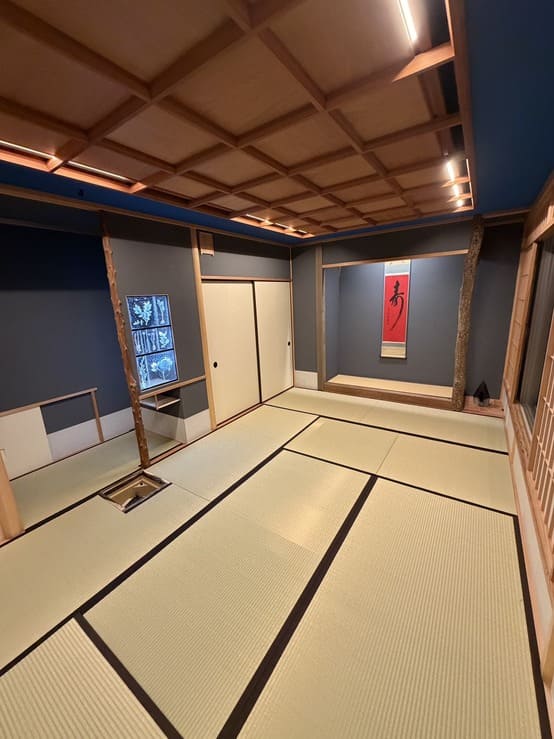
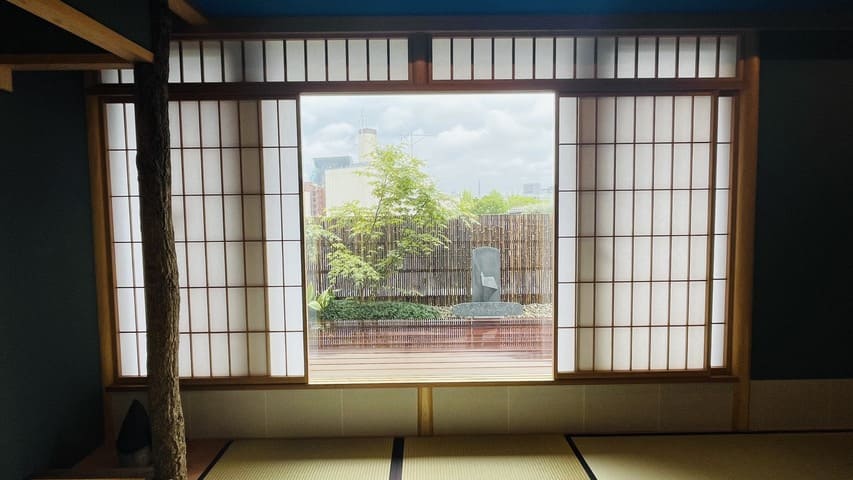
UESHIMA MUSEUM is pleased to announce the public opening of its tea room, “Kankai-an,” on May 19, 2026.
The tea room “Kankai-an” at UESHIMA MUSEUM is a place that connects contemporary art with the way of tea, offering an opportunity to experience, carry forward, and share Japanese culture with the future.
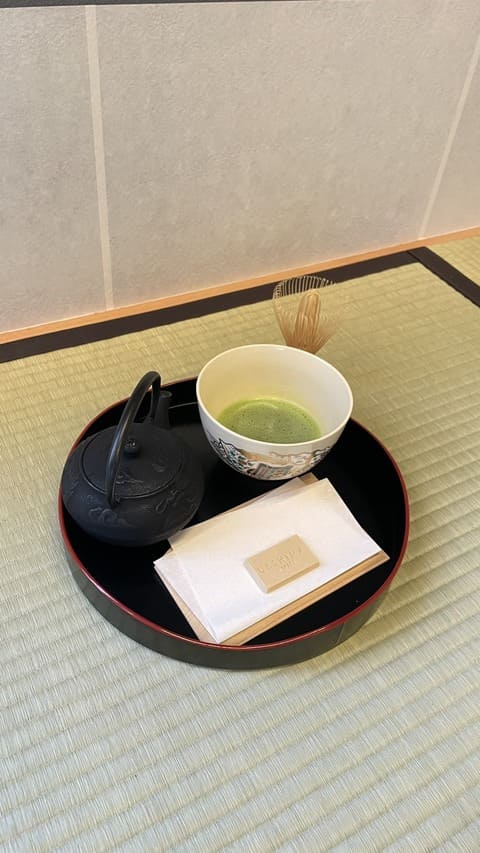
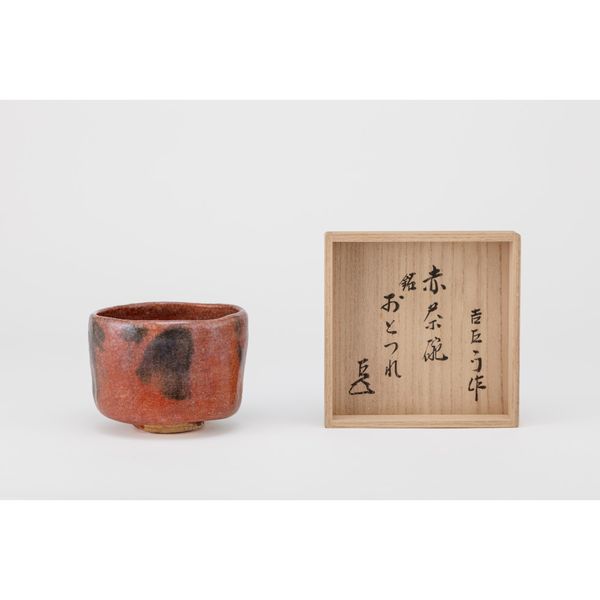
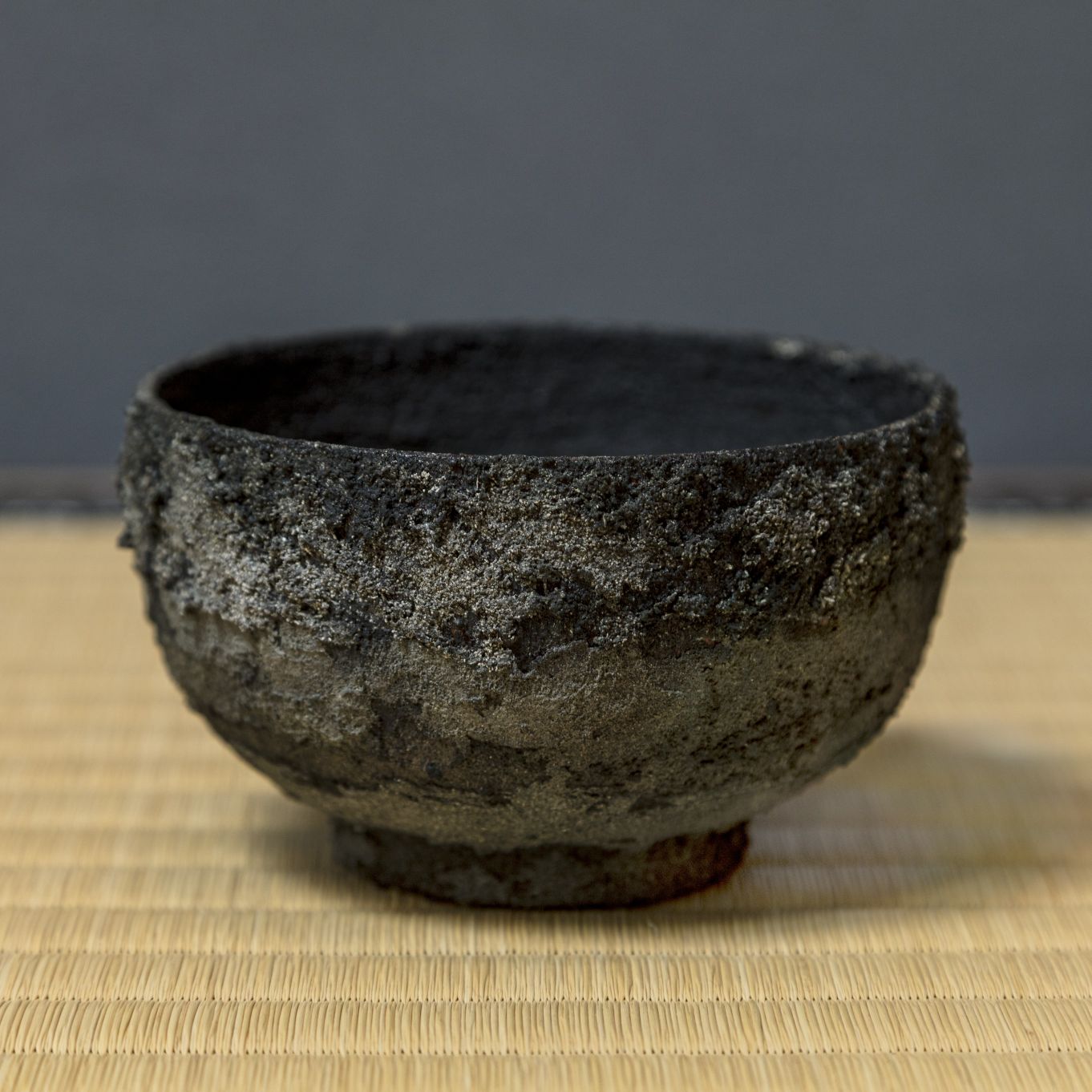
Guests will whisk their own matcha tea and enjoy a quiet moment surrounded by the tea room, tea utensils, and contemporary art.
This experience does not include tea ceremony instruction, tea preparation demonstrations, or staff explanations of the tea room and artworks. Written instructions will be provided so guests can enjoy the experience at their own pace.
The tea room will serve as a place for visitors to enjoy a bowl of matcha and view tea utensils, while also being used on occasion for tea gatherings hosted by the museum’s director, Kankuro Ueshima.
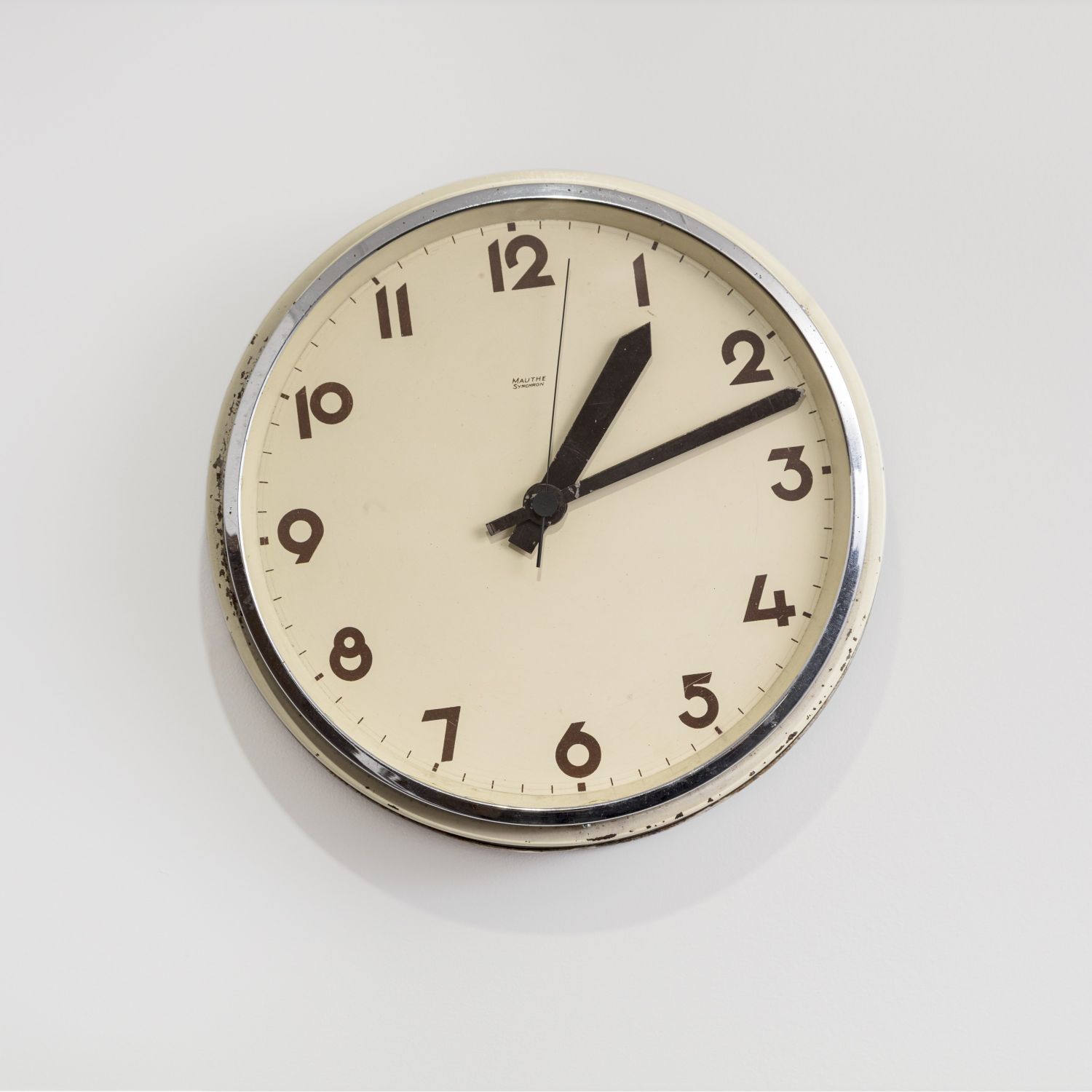
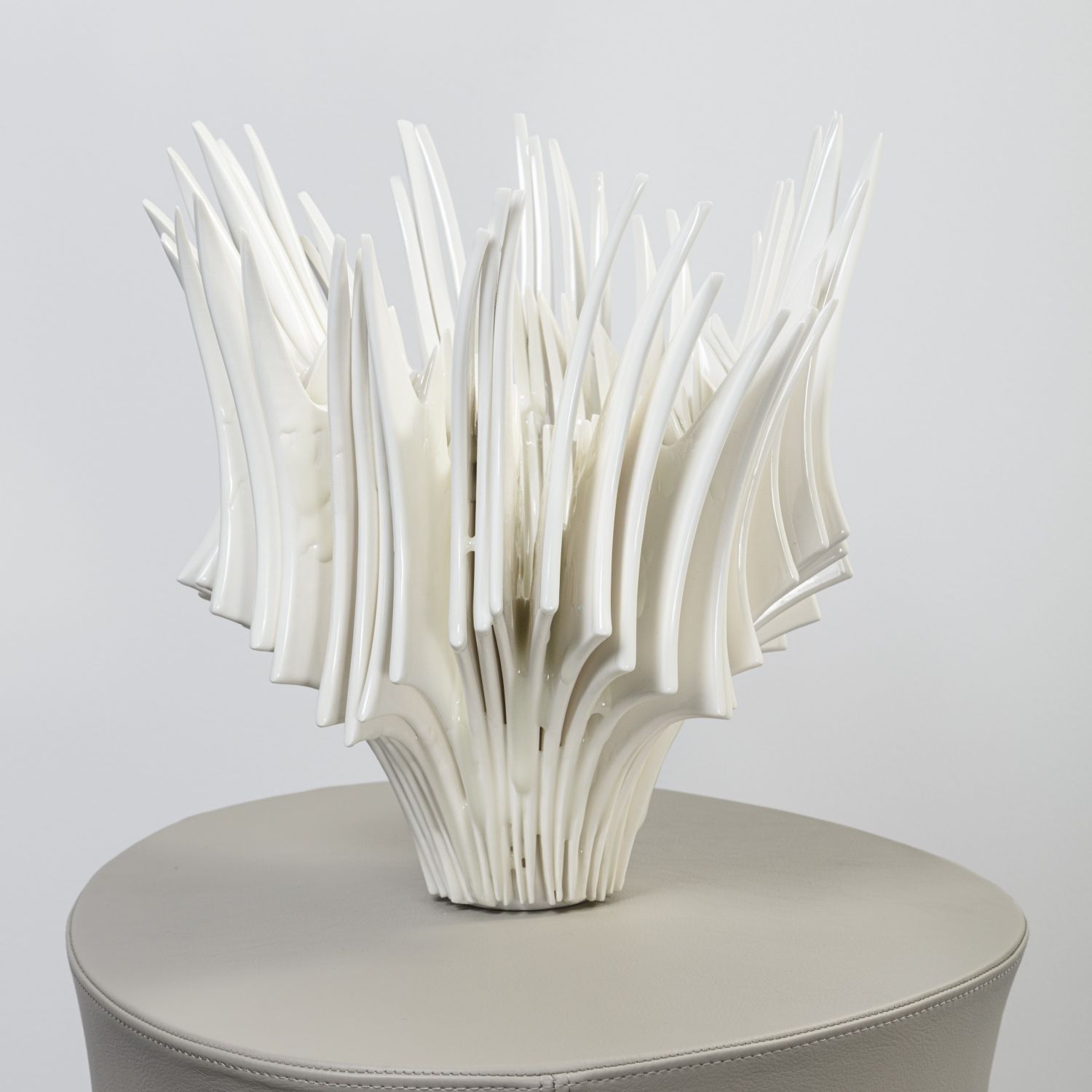
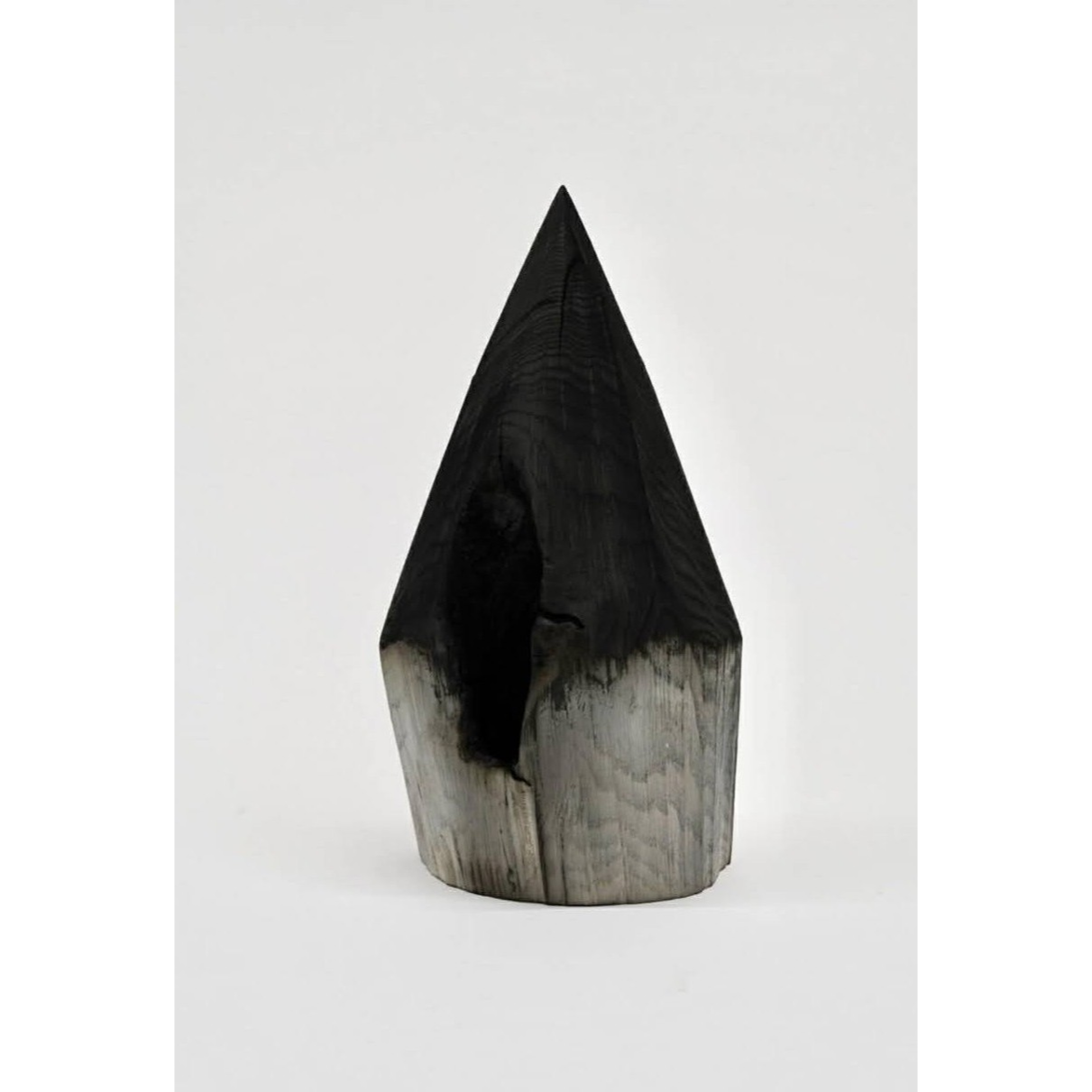
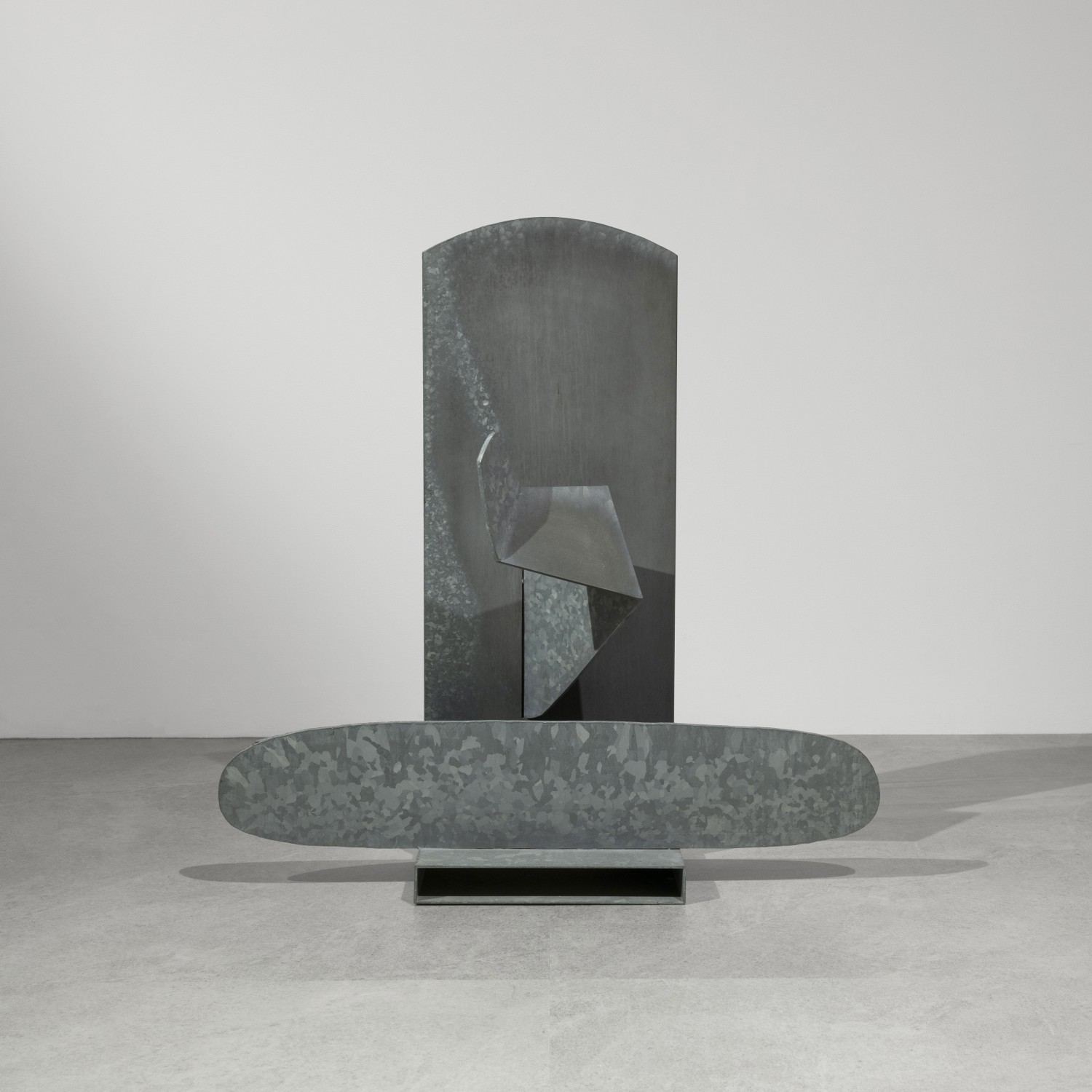
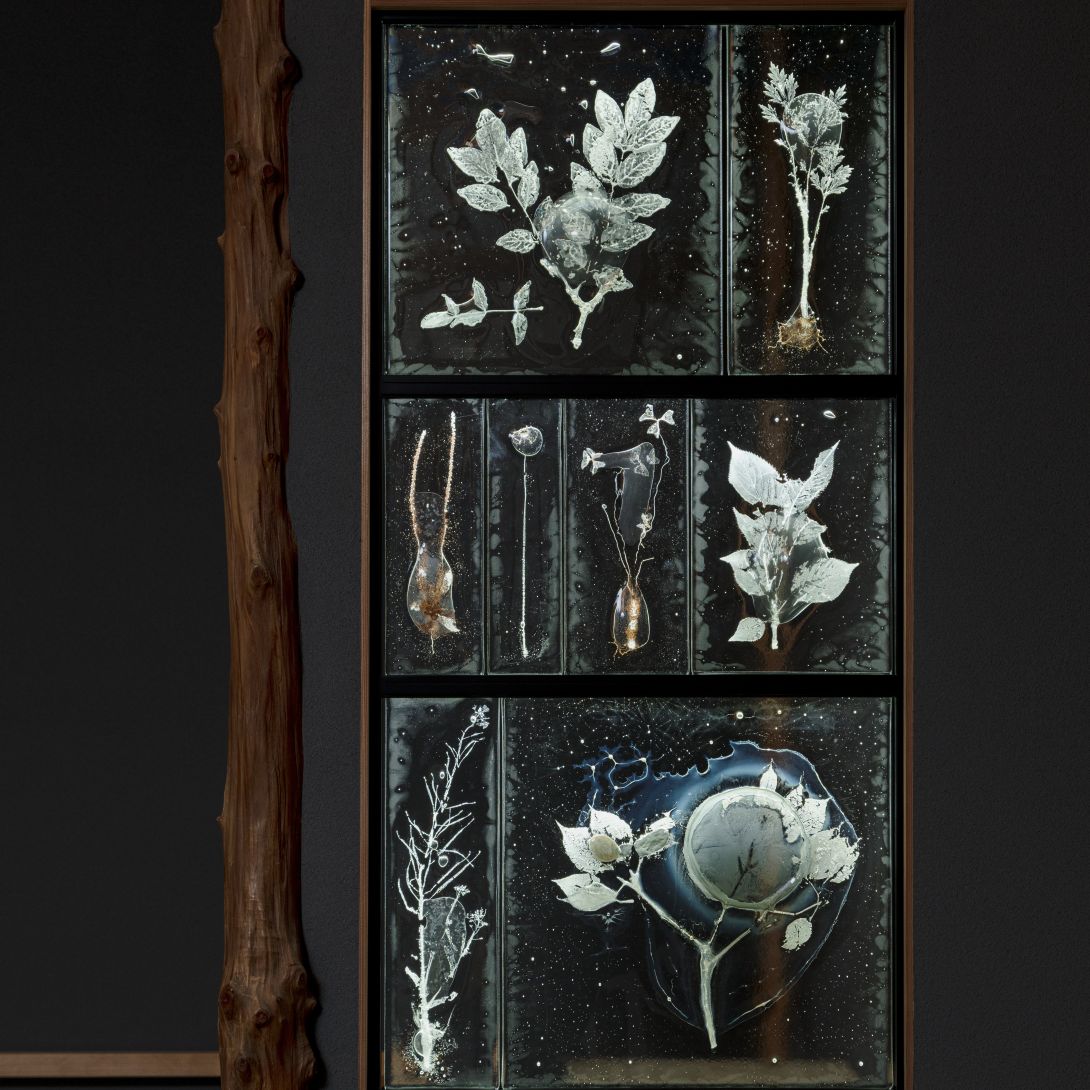
In this setting, where Japanese tradition and contemporary art come together, visitors are invited to experience the “time” that flows through the tea room and encounter the UESHIMA MUSEUM COLLECTION from a new perspective.
Dates
May 19th,2026 (Tue) ~
Event times
12:00-12:30 / 13:00-13:30 / 14:00-14:30 / 15:00-15:30 / 16:00-16:30
Capacity 6 participants per session
*Please note that the "Tea Room Experience" is not included in the evening opening hours. Even on evening opening days, the museum closes at 17:00.
Admission fee(tax incl.)
( Non-Resident )
UTSUHO & Tea Room Experience + Admission
Adults: 1 person / 4700 JPY
Junior and senior high school students: 1 person / 1300 JPY
Elementary School Students: 1 person / 700 JPY
* Please note that "UTSUHO: The Hollow of Time," is not included in the evening opening hours and the museum closes at 17:00.
* Preschool children are not permitted in the tea room.
* Admission is free for elementary school students. Fees apply only when using the tea room.
* This is a self-guided experience in which guests prepare their own bowl of matcha.
* Tea ceremony instruction, tea preparation demonstrations, and explanations of the tea room or artworks by staff are not included.
* Written Instructions on how to prepare the matcha will be provided.
Reservations
Book online, including on the day of your visit
Click here for reservations
Closed Days
Monday (If Monday is holiday, closed on the following weekday)