LANG
ENGLISH
日本語
TICKET

A NEW PERSPECTIVE
CONNECTING THE
FUTURE THROUGH
CONTEMPORARY ART

UESHIMA MUSEUM
"UTSUHO: The Hollow of Time" - An Exhibition of Tea Ceramics and Contemporary Ceramics

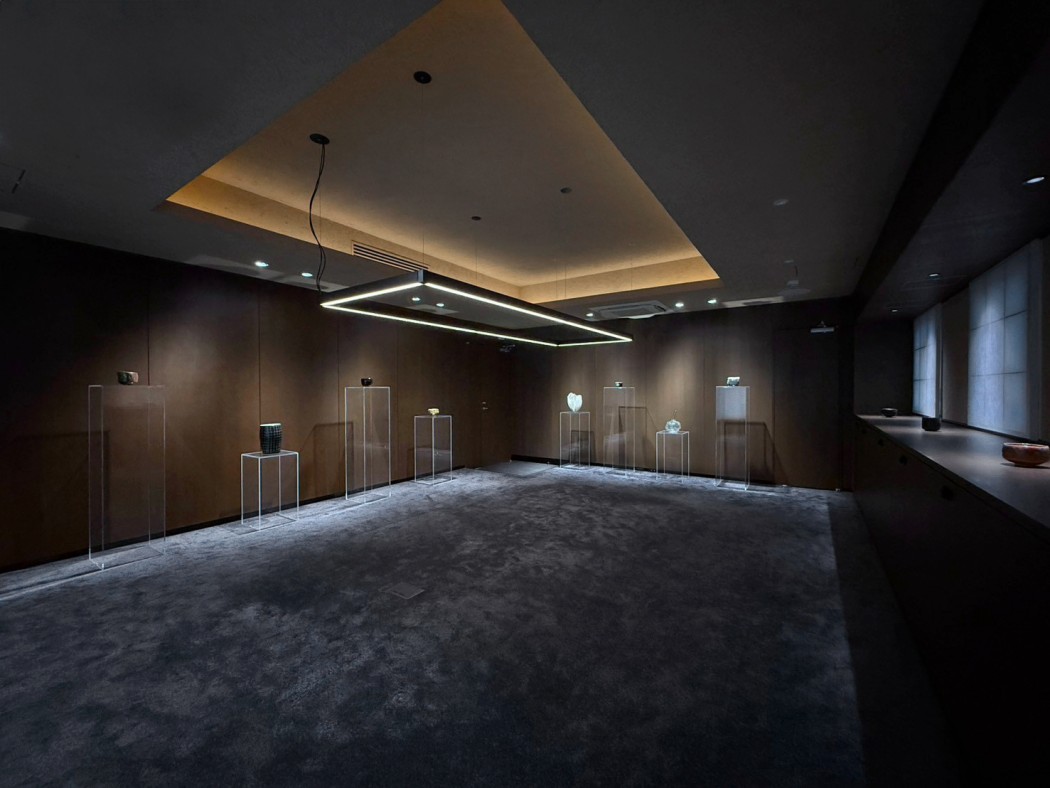
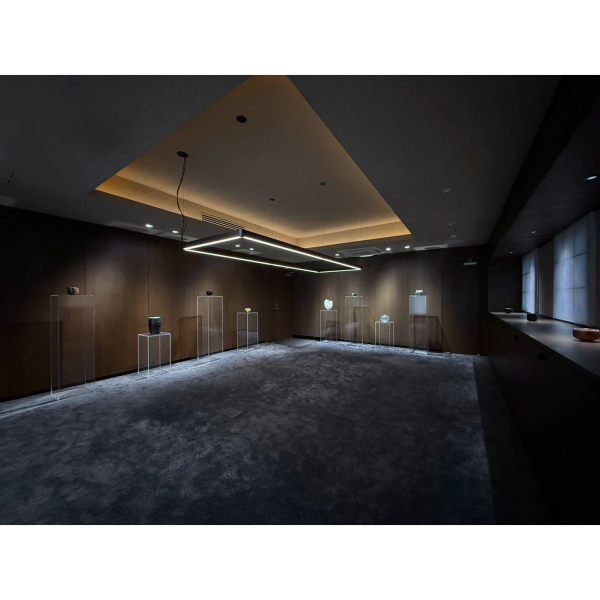
We are pleased to announce that UESHIMA MUSEUM will hold an exhibition of tea ceramics and contemporary ceramics, “UTSUHO: The Hollow of Time,” in the 6F exhibition space starting September 2, 2026 (Wed).

Curated by Ceramic Artist and Architect Yuki Nara, this exhibition marks the first in a new series of initiatives focusing on the intersection of the tea ceremony tradition and contemporary art. Through tea ceremony ceramics and contemporary ceramics, the exhibition explores new relationships between inherited aesthetic sensibilities and contemporary forms of expression.

We look forward to welcoming you at the museum.

Dates

September 2, 2026 (Wed)

Opening Hours

11:00 – 17:00 (Last entry at 16:00)
Timed-entry tickets must be booked online in advance.

Address

UESHIMA MUSEUM 6F exhibition space

Curator

Ceramic Artist / Architect Yuki Nara

Admission

※The 6F exhibition space can only be viewed with the "UTSUHO & Tea Room Experience + Admission".
※Tea room experiences are available at designated time slots only.

Admission fee(tax incl.)

( Non-Resident )

UTSUHO & Tea Room Experience + Admission
Adults: 1 person / 4700 JPY
Junior and senior high school students: 1 person / 1300 JPY
Elementary School Students: 1 person / 700 JPY

* Preschool children are not permitted in the tea room.
* Admission is free for elementary school students. Fees apply only when using the tea room.
* This is a self-guided experience in which guests prepare their own bowl of matcha.
* Tea ceremony instruction, tea preparation demonstrations, and explanations of the tea room or artworks by staff are not included.

Reservations

Advance booking is required
Click here for reservations

Closed Days

Monday (If Monday is holiday, closed on the following weekday)
About UESHIMA MUSEUM

UESHIMA MUSEUM is located on the grounds of Shibuya Kyoiku Gakuen, the alma mater of UESHIMA COLLECTION owner Kankuro Ueshima. It is highly regarded for its emphasis on international perspective and high ethical standards in education under the fundamental goal of "Seek and Think for Oneself." (“Jicho-Jiko”) The museum’s building was renovated from the former British School in Tokyo, which was established in 1988 and held its opening ceremony in September of the following year in the presence of the late British Prime Minister Margaret Thatcher. The British School in Tokyo was utilized until August 2023 and was reopened after renovation.

Address

Ueshima Tower, Shibuya Kyoiku Gakuen 1-21-18 Shibuya, Shibuya-ku, Tokyo

Museum Director

Kankuro Ueshima

On the Occasion of This Exhibition
UESHIMA MUSEUM Museum Director: Kankuro Ueshima

My encounter with chanoyu, the Way of Tea, began with the acquisition of a work by Yuki Nara. Guided by my conversations with him, I opened my heart to the world of chanoyu. Through a fortunate connection, I became a disciple of the Urasenke Tradition and eventually established Kankai-an, a tea room within the museum. Another fortunate encounter brought me to a tea bowl by Raku Kichizaemon XVI, through which I came to understand that the tradition spanning more than four centuries since Chōjirō remains alive and continues to renew itself at this very moment.

Nara, who opened the door for me to this profound and expansive world, was born into the lineage of Ohi ware. Moving between ceramics and architecture, he is a rare artist whose practice is rooted in both the history of chanoyu and the context of contemporary art. For me, entrusting this exhibition to him was inevitable.

To look not at the vessel’s outer form, but at the emptiness held within—through this lens, seventeen vessels by seventeen artists, ranging from traditional tea bowls to contemporary sculptural forms, are brought together under this perspective. I hope you will experience, with your own eyes and your entire being, the rich atmosphere held within these vessels.

Ceramic Artist / Architect / Curator of the Exhibition: Yuki Nara

When Kankuro Ueshima invited me to curate this exhibition, I hesitated. I am, after all, an artist, not a curator.

I am not in a position to offer an authoritative account of tea ceramics or craft.
Rather, as an artist within the lineage of Ohi ware, I have engaged with the history of tea ceramics while pursuing a practice that moves between fields such as contemporary art and architectural design. If my encounter with Ueshima has served as a bridge connecting contemporary art and craft at this museum, then perhaps I, too, am one of the participants in the story that has unfolded here. With that in mind, I gratefully accepted his invitation.

At first glance, this exhibition brings together works created in different periods and cultures, and for different purposes. Yet at the heart of each lies a common concept: the utsuwa, or vessel. The word utsuwa is said to derive from utsuho: emptiness, or the hollow within. Rather than considering a vessel through its external form, let us see it as the utsuho within. When the inner utsuho, enclosed by natural materials, receives water, flowers, food, light, human hands, thoughts, and air, the vessel takes on a soul for the first time.

Everything we can see will eventually change and disappear. Yet the utsuho created by form becomes intimately connected with human bodies, memories, and traces, and eventually embarks on a journey through time and space. Because it is utsuho, it can accept change and welcome something that does not yet exist. Within it lies a richness of possibility that extends beyond completed form. As you move through this exhibition, I hope you will look beyond the works’ outward shapes, surfaces, and contours, and listen closely to the utsuho within them, the utsuho between one work and another, and the utsuho within ourselves as viewers.

UTSUHO: The Hollow of Time
Reinterpreting the “Vessel”: From Form to Emptiness

The starting point of this exhibition is to trace the etymology of “utsuwa” back to ""utsuho-mono," meaning "empty thing,” and to reconsider the vessel not as a completed object, but as a structure that holds emptiness.

Here, emptiness does not signify absence. It is a potential space that receives light, time, the body, and memory, giving rise to change and reality.

What is exhibited is not the vessel itself.
Rather, it is the invisible air that lingers within the vessel.

The interior of a vessel is not an empty space. It is the richest realm, receiving light, temperature, time, memory, and the movements of the body.

This exhibition reinterprets the history of tea bowls to contemporary sculpture as variations on the theme of "enclosed emptiness,” redirecting the visitor’s gaze from the surface toward the interior.

About the Exhibition Structure

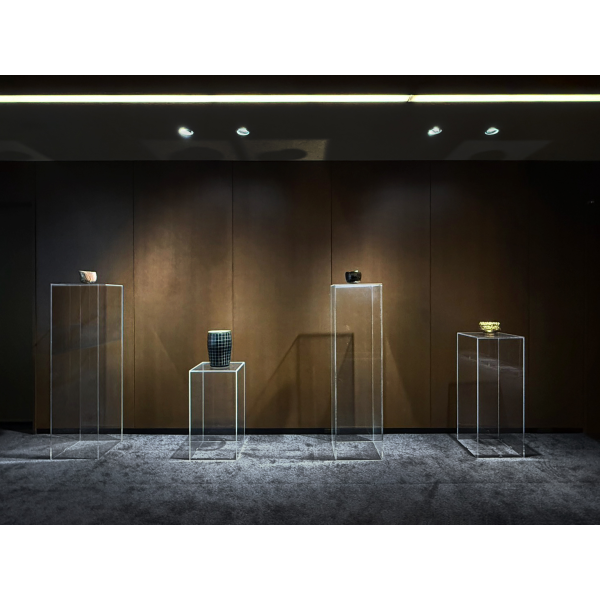
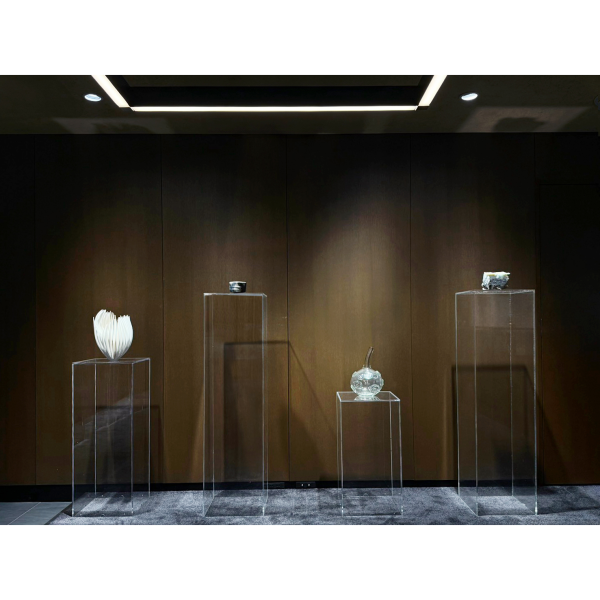
In this exhibition, the works are arranged broadly in chronological order as we trace how utsuho, the hollow within a vessel, has changed and expanded over time. What concerns us here is not the evolution of vessel form itself. Why have people used clay to form an enclosure and create “emptiness” within? What have they received in that emptiness, what have they entrusted to it, and how have they transformed its boundaries? The exhibition unfolds in four chapters: “Silence,” “Receptivity,” “Transformation,” and “Release.”

Yet what runs through the exhibition is more than a change in form. There is the time of heritage, passed from master to disciple, parent to child, and one land to another. There is also the time shared by contemporaries, in which artists living in the same era offered different answers. Multiple layers of time intersect within this small "utsuho".

Chapter 1 “Silence”: Emptiness held by historical vessels that is enclosed and concentrated

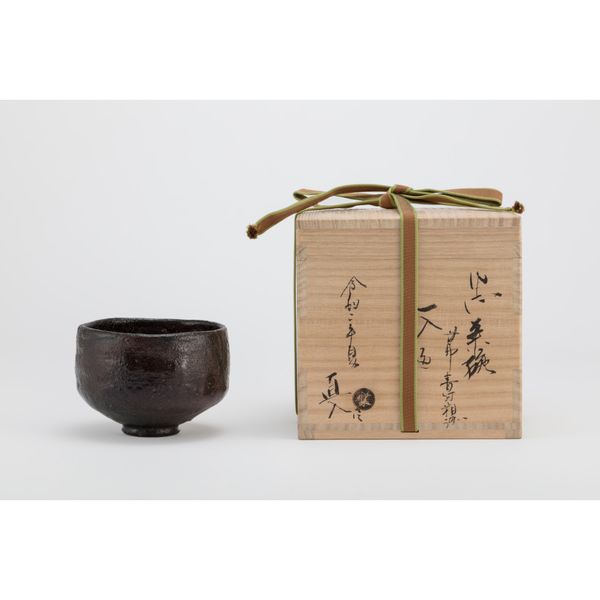
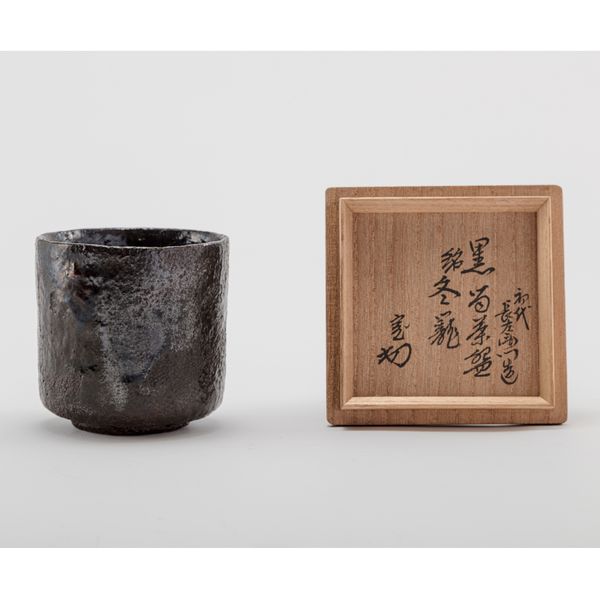
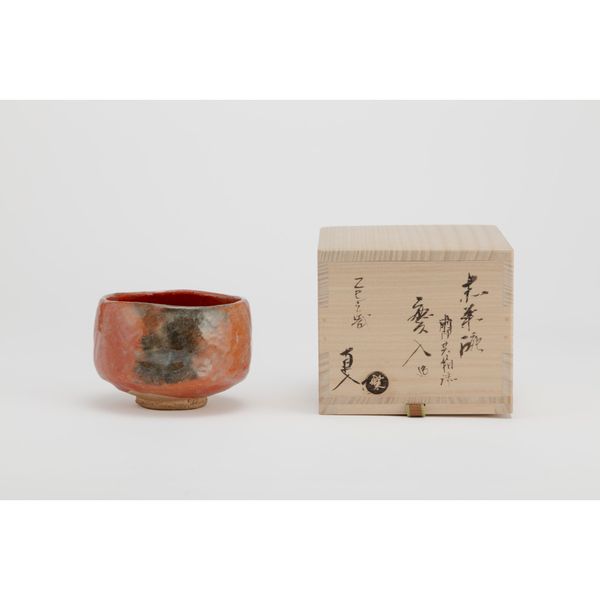
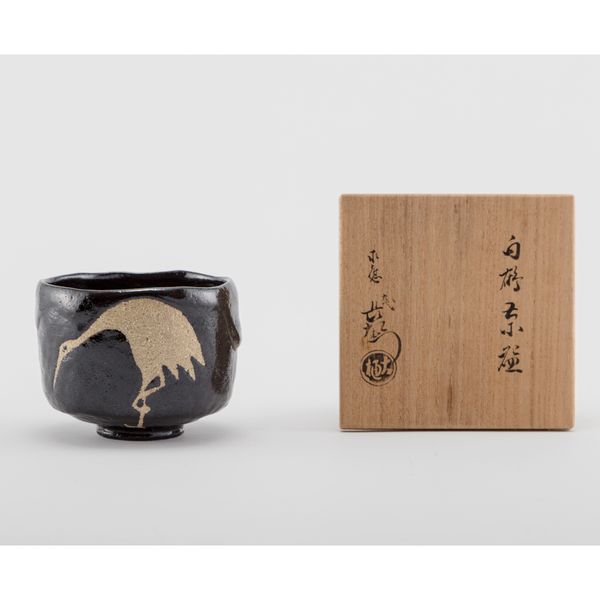
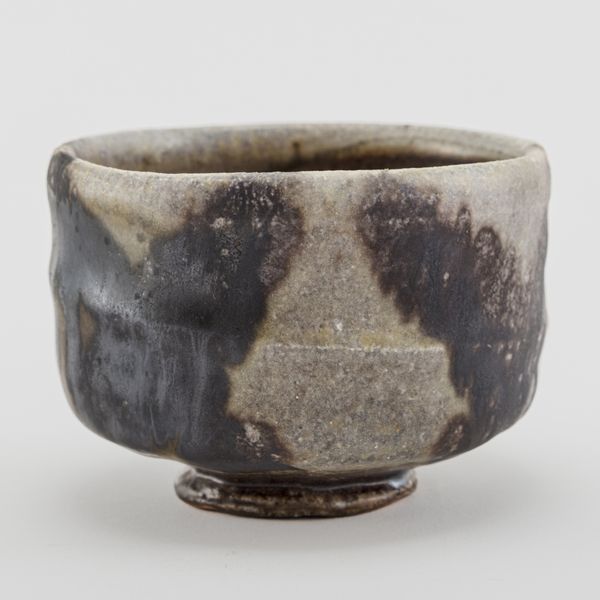
Chapter One, “Silence,” begins with tea bowls by Ichinyû IV, the fourth-generation head of the Raku family, and Ohi Chozaemon I. The relationship between these two tea bowls lies in an actual historical connection that extends beyond stylistic similarities. Ohi Chozaemon I studied under Ichinyû IV in Kyoto and, in 1666, traveled to Kanazawa with Senso Soshitsu, the fourth-generation tea master of the Urasenke tradition. Building on the techniques of Raku ware, he developed a new tradition of tea ceramics within the cultural landscape of the Kaga Domain. Thus began Ohi ware. This year marks 360 years since the kiln was founded. Though open at the mouth, the tea bowls hold deep, quiet emptiness within. Within that emptiness are condensed the gestures of chanoyu, the memories of those who have used them, and the layers of time accumulated across generations. Here, "utsuho" is not a hollow devoid of all presence. Rather, it is a realm of spacetime that contains the passage of boundless ages.

"Black Raku Tea Bowl, named “Omoshiroya”" Raku Ichinyû IV

"Black Cylindrical Tea Bowl, named "Fuyugomori"" Ohi Hodoan I

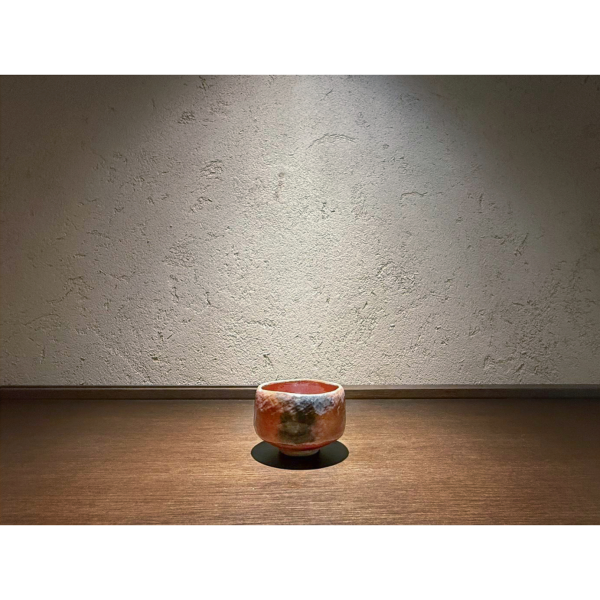
"Red Raku Tea Bowl, named “Chiyo no Tomo” " Raku Keinyū XI

"White Crane Tea Bowl" Ohi Todosai IX

1: "Black Raku Tea Bowl, named “Omoshiroya”" Raku Ichinyû IV

2: "Black Cylindrical Tea Bowl, named "Fuyugomori"" Ohi Hodoan I

3: "Red Raku Tea Bowl, named “Chiyo no Tomo” " Raku Keinyū XI

4: "White Crane Tea Bowl" Ohi Todosai IX

Chapter 2 “Receptivity”: Emptiness that receives the palm, water, flowers, and the body

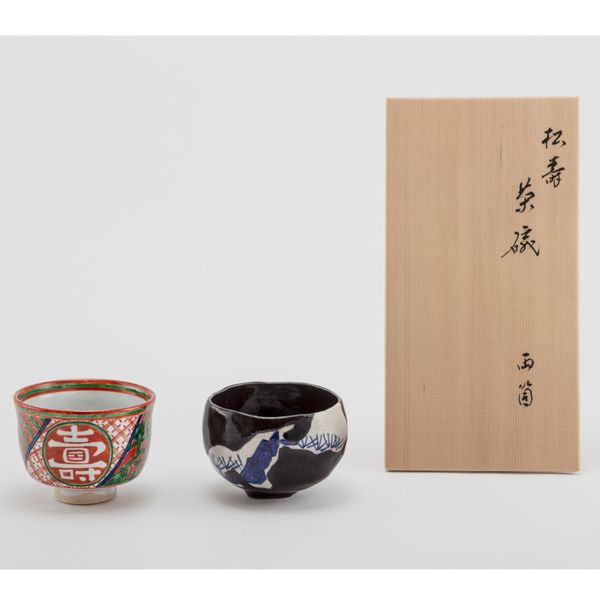
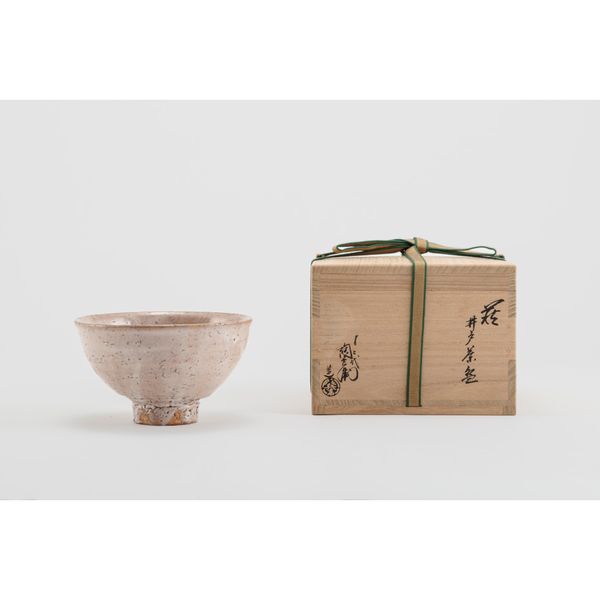
In Chapter Two, “Receptivity,” the vessel gradually begins to form a relationship with people and the world. It rests in the palm, holds water, and receives nature. The emptiness within a vessel becomes manifest only when it receives something. This chapter also brings into view the vessel not simply as an object of contemplation, but as “sculpture that touches the body.”

"Pair of Tea Bowls: with the Character “Longevity” and Old Pine Tree Design" Eiraku Sokuzen XVI

"Tea bowl, Hagi ware, Ido type" Tahara Tohbe XII

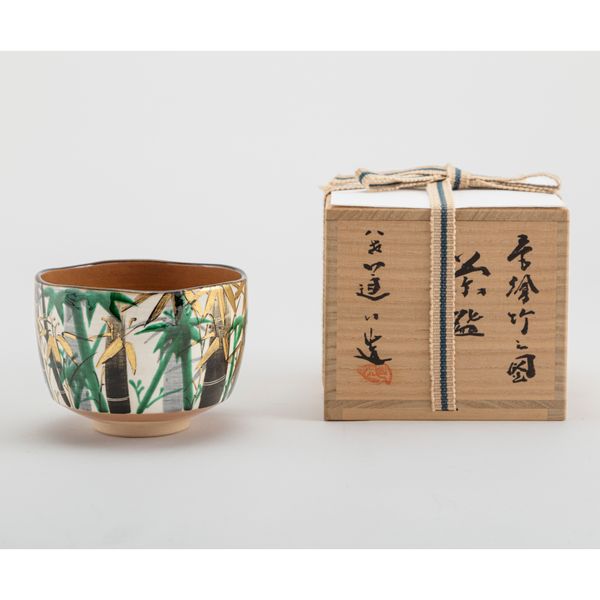
"Tea Bowl with Bamboo Design" Takahashi Dohachi VIII

"Tea bowl" Raku Jikinyū XV

5: "Pair of Tea Bowls: with the Character “Longevity” and Old Pine Tree Design" Eiraku Sokuzen XVI

6: "Tea bowl, Hagi ware, Ido type" Tahara Tohbe XII

7: "Tea Bowl with Bamboo Design" Takahashi Dohachi VIII

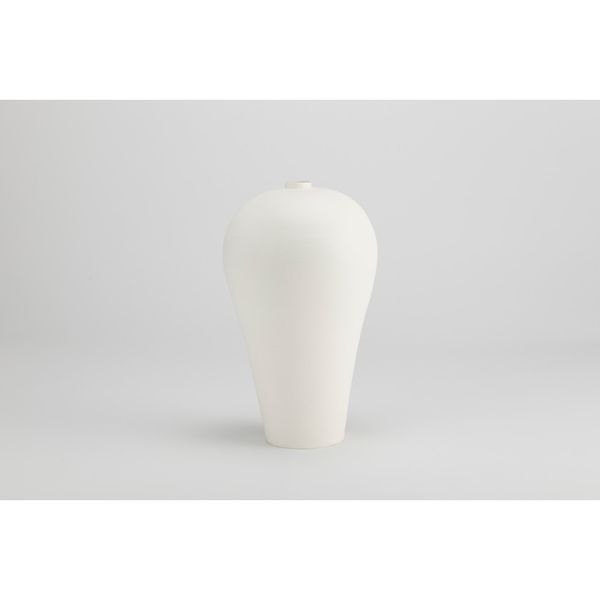
8: "Untitled White Porcelain (HANAIRE)" Taizo Kuroda (c. 2006)

9: "Tea bowl" Raku Jikinyū XV

Chapter 3 “Transformation”: Emptiness unsettled by kiln change, fissures, and decoration

In Chapter Three, “Transformation,” the contours of "utsuho" itself begin to shift dramatically through kiln change, fissures, decoration, and material changes. A ceramic work is not completed by the artist’s intention alone. Clay receives the fire and contracts. Glaze flows. At times, unexpected cracks and distortions emerge. Chemical reactions and natural phenomena intervene beyond complete human control. The vessel appears not as a fixed form, but as a single moment in a process of transformation, frozen in time.

"Denatured Ohi Tea Bowl ‘Hijiri’ Style" Ohi Chozaemon XI

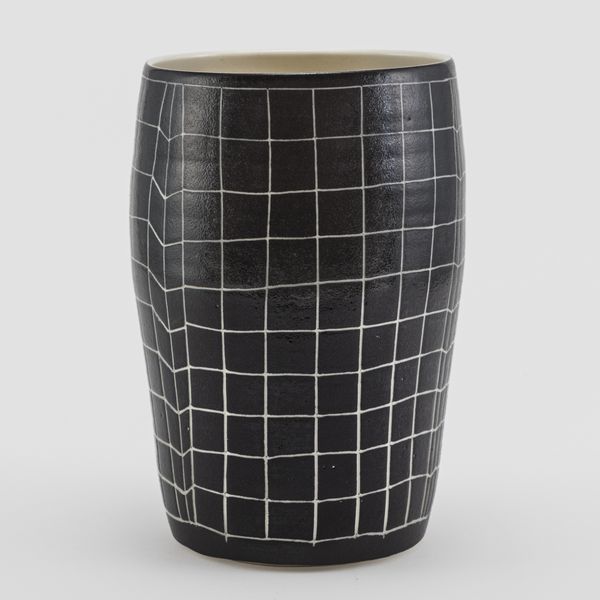
"(grid 88)" Shio Kusaka (2014)

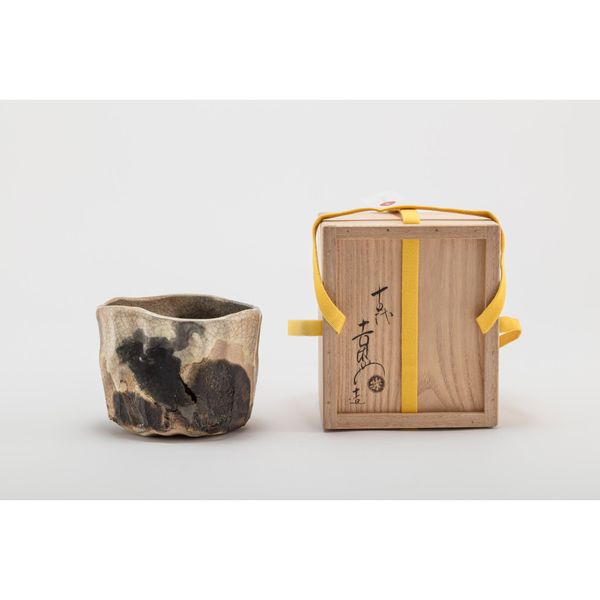
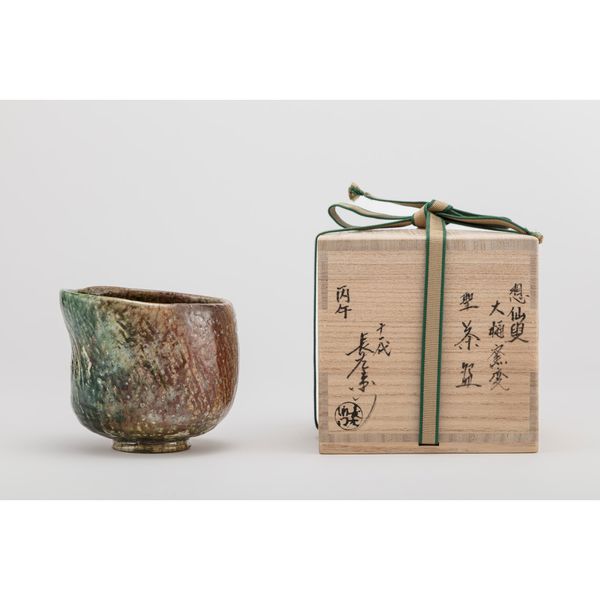
10: "Denatured Ohi Tea Bowl ‘Hijiri’ Style" Ohi Chozaemon XI

11: "(grid 88)" Shio Kusaka (2014)

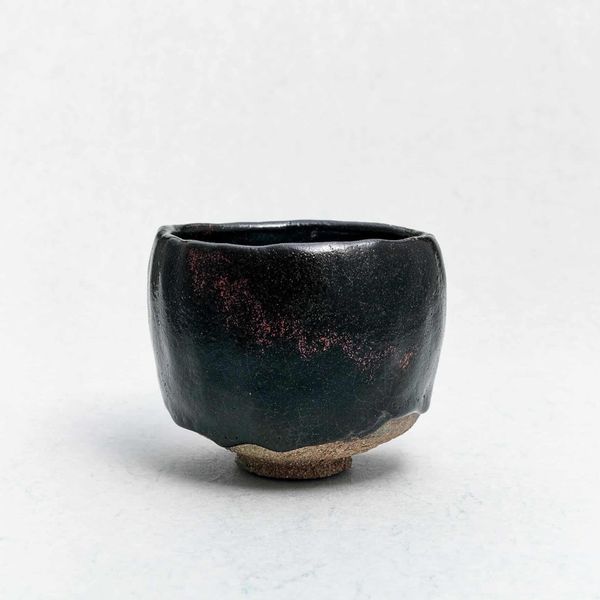
12: "Black Raku Tea Bowl" Raku Kichizaemon XVI (2023)

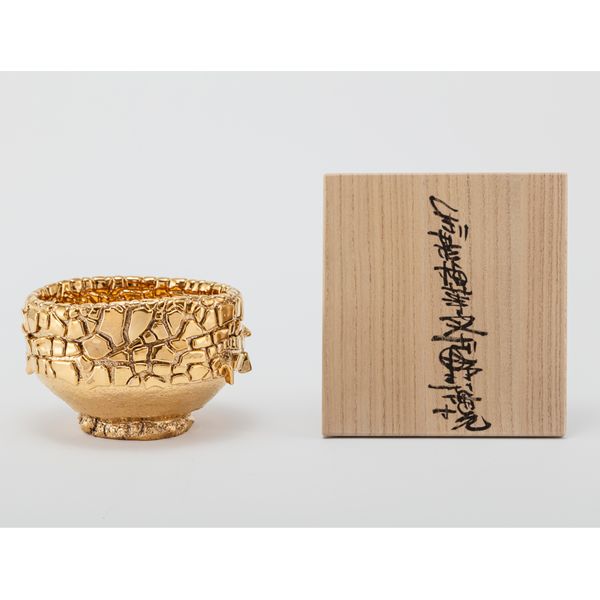
13: "Teabowl" Takuro Kuwata (2016)

Chapter 4 “Release”: Emptiness that dissolves its boundaries and seeps outward through glass, light, and openings

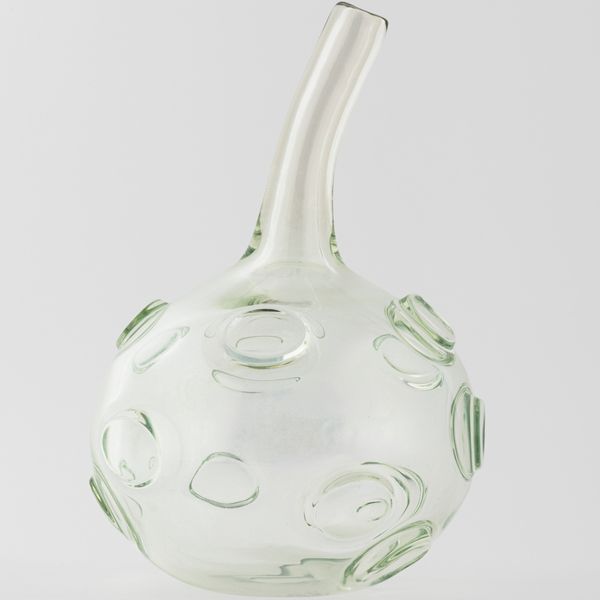
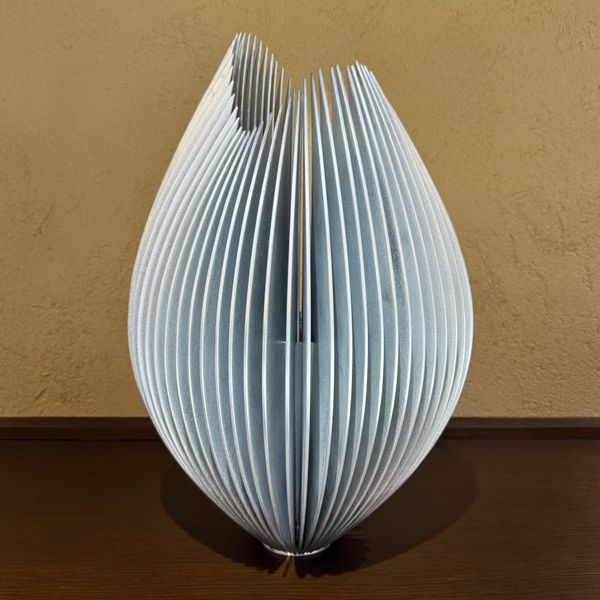
Finally, in Chapter Four, “Release,” "utsuho" expands outward from within the vessel. Through transparent glass, light-transmitting materials, and forms with multiple slits, the boundary that separated the inside from the outside becomes indistinct. The emptiness once contained within the work becomes continuous with the surrounding air and light, the viewer’s body, and even the universe itself.

"Chawan" Theaster Gates (2026)

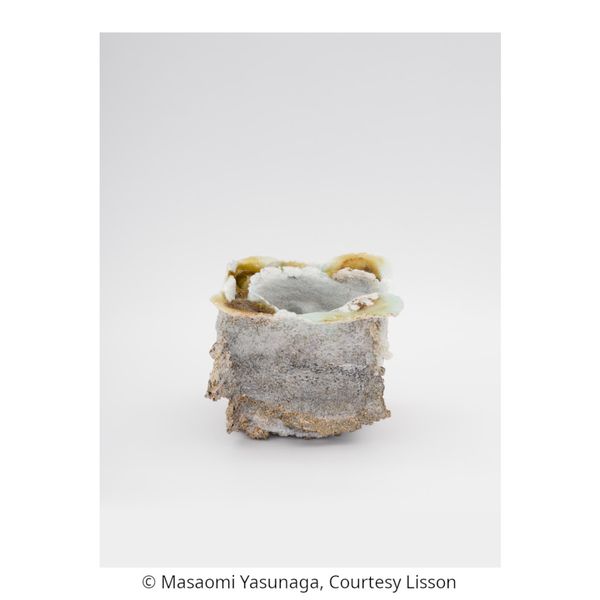
"Crumbling" Masaomi Yasunaga (2024)

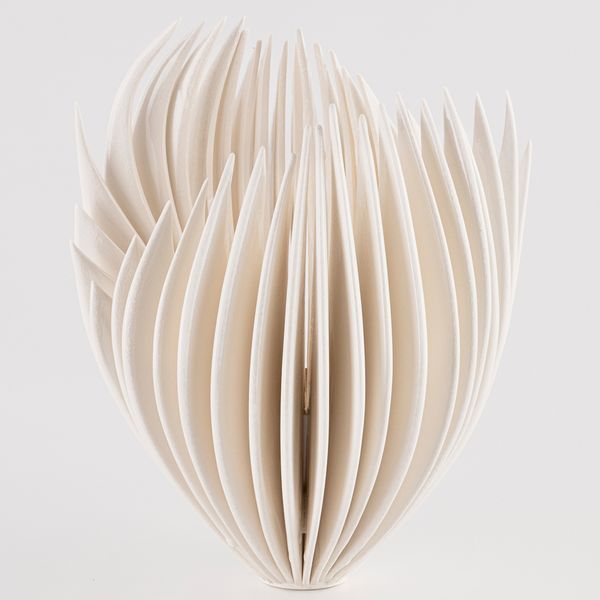
14: "Bone Flower" Yuki Nara (2022)

15: "Chawan" Theaster Gates (2026)

16: "FRUTTO 2" Ritsue Mishima (2014)

17: "Crumbling" Masaomi Yasunaga (2024)

※Unless otherwise indicated, English titles are museum translations.

These four chapters do not present the history of ceramics as a simple narrative of progress. The seeds of “Release” are present in old tea bowls, while “Silence” also persists in contemporary works. Rather, following the works chronologically reveals changes in the way human beings have perceived “emptiness”.

Emptiness is born through enclosure and begins by receiving something. Its contours then transform, until it is finally released into the world beyond. By condensing several centuries into a single space, this exhibition seeks to trace not the evolution of vessel forms, but the transformations of the "utsuho" within them.

Even as eras shift and materials and forms of expression change, emptiness remains at the heart of the vessel.

I believe that this very “emptiness” is the “bridge” connecting the past and present, and chanoyu and contemporary art. It is the bridge that Kankuro Ueshima, with his singular vision, continually brings before society.

List of artists scheduled to exhibit (in order of display)

Raku Ichinyu IV, Ohi Hodoan I, Raku Keinyu XI, Ohi Todosai IX, Eiraku Sokuzen XVI, Tahara Tobei XII, Takahashi Dohachi VIII, Taizo Kuroda, Raku Jikinyu XV, Ohi Chozaemon XI, Shio Kusaka, Raku Kichizaemon XVI, Takuro Kuwata, Yuki Nara, Theaster Gates, Ritsue Mishima, Masaomi Yasunaga

※Please note that the exhibited works are subject to change without prior notice.

Kankuro Ueshima Profile

Founder of "UESHIMA MUSEUM COLLECTION", born in Chiba prefecture, Japan in 1979. Ueshima graduated from Shibuya Kyoiku Gakuen Makuhari Senior High School in 1998, then enrolled in the Natural Sciences I at the University of Tokyo. While attending the Faculty of Engineering, he started his own business and has since developed a diversified business as an entrepreneur and investor. Aside from managing his own businesses, Ueshima reaches out to domestic and international auction houses and galleries and continues to collect a wide range of art from leading domestic and international artists to young Japanese artists. He was selected as one of ARTnews’s “Top 200 Collectors” in 2024 and 2025.

Yuki Nara Profile

Ceramic Artist / Architect / Curator of the Exhibition

Born in Kanazawa, Japan as the eldest son of the main family of Ohi ware, a renowned tea ceramics kiln with a history spanning more than 360 years. He studied architecture at Tokyo University of the Arts and ceramics at the Tajimi City Pottery Design and Technical Center, and completed the master’s program in architecture at the Graduate School of Fine Arts, Tokyo University of the Arts, at the top of his class. Works from his signature ceramic series, Bone Flower, are held in the collections of the Victoria and Albert Museum, the 21st Century Museum of Contemporary Art, Kanazawa, and other institutions. For Expo 2025 Osaka, Kansai, Japan, Nara created Prayer Vessel, a public artwork imbued with a prayer for recovery from the Noto Peninsula Earthquake. His practice spans ceramics and architecture, and he is active both in Japan and internationally.